Clinical learning, beyond the classroom
AI-powered simulation can expand opportunities to practise. The human judgement it develops must remain the point.
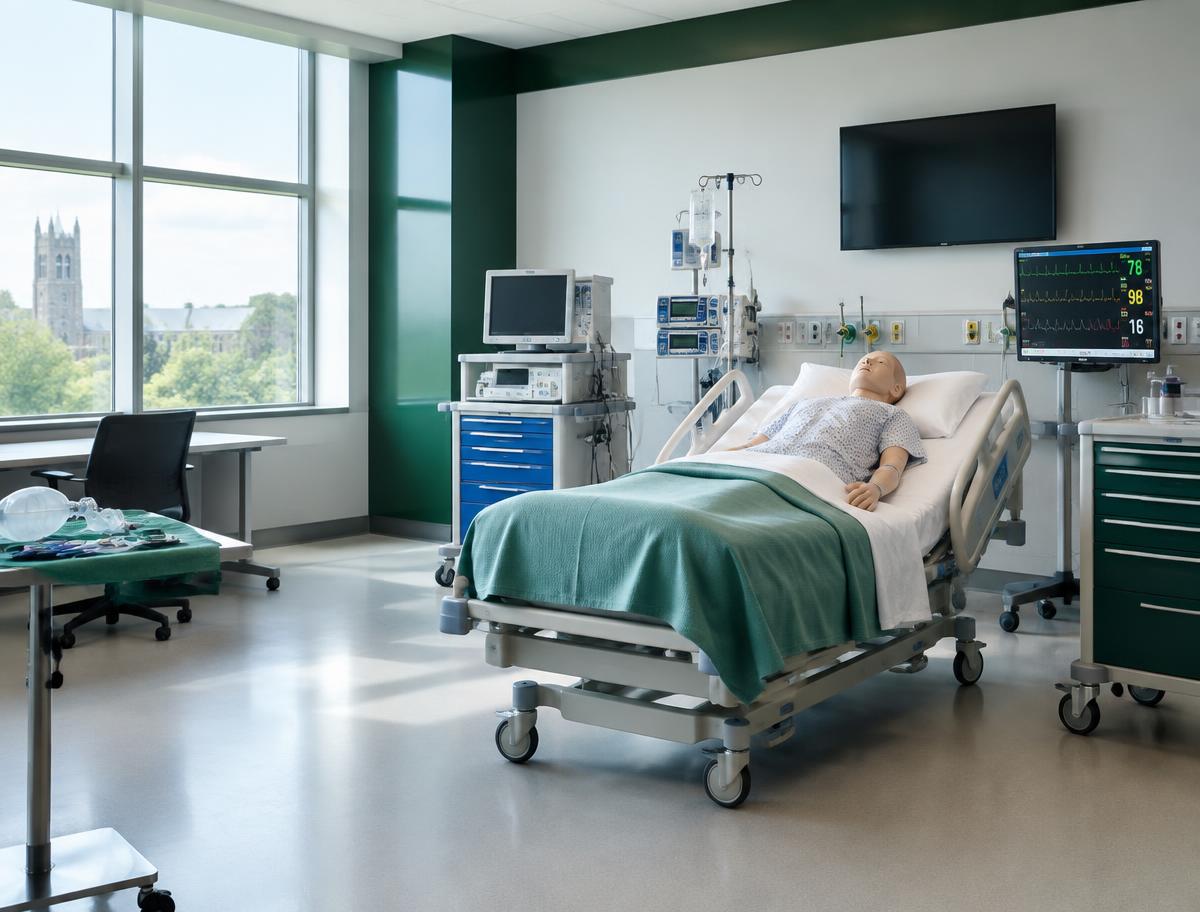
Healthcare education asks students to make good decisions under pressure. Practice is essential, but safe, meaningful opportunities to practise are not always easy to scale.
A second chance to make the decision
Consider a student facing a simulated patient whose condition changes after an apparently routine question. The first attempt may be hesitant. The student notices one sign but misses another, then has to explain the reasoning behind the choice. A repeat of the scenario makes the improvement visible in a way that a single written answer cannot.
This is where simulation can be generous. It lets a learner pause, reconsider and practise again without exposing a real patient to the consequences of a beginner’s mistake. Yet the scenario only becomes educational when feedback points to the underlying judgement, not simply whether a menu option was right.
A convincing avatar or fluent dialogue can create a false sense of clinical realism. Actual patients bring histories, relationships, uncertainty and needs that a scripted encounter cannot fully reproduce. Educators need to name that gap rather than letting technical polish conceal it.
Good design makes room for the team as well as the individual. A learner might practise a handover, explain a decision to a colleague or recognise when to escalate. In healthcare, knowing when not to act alone is itself a form of competence.
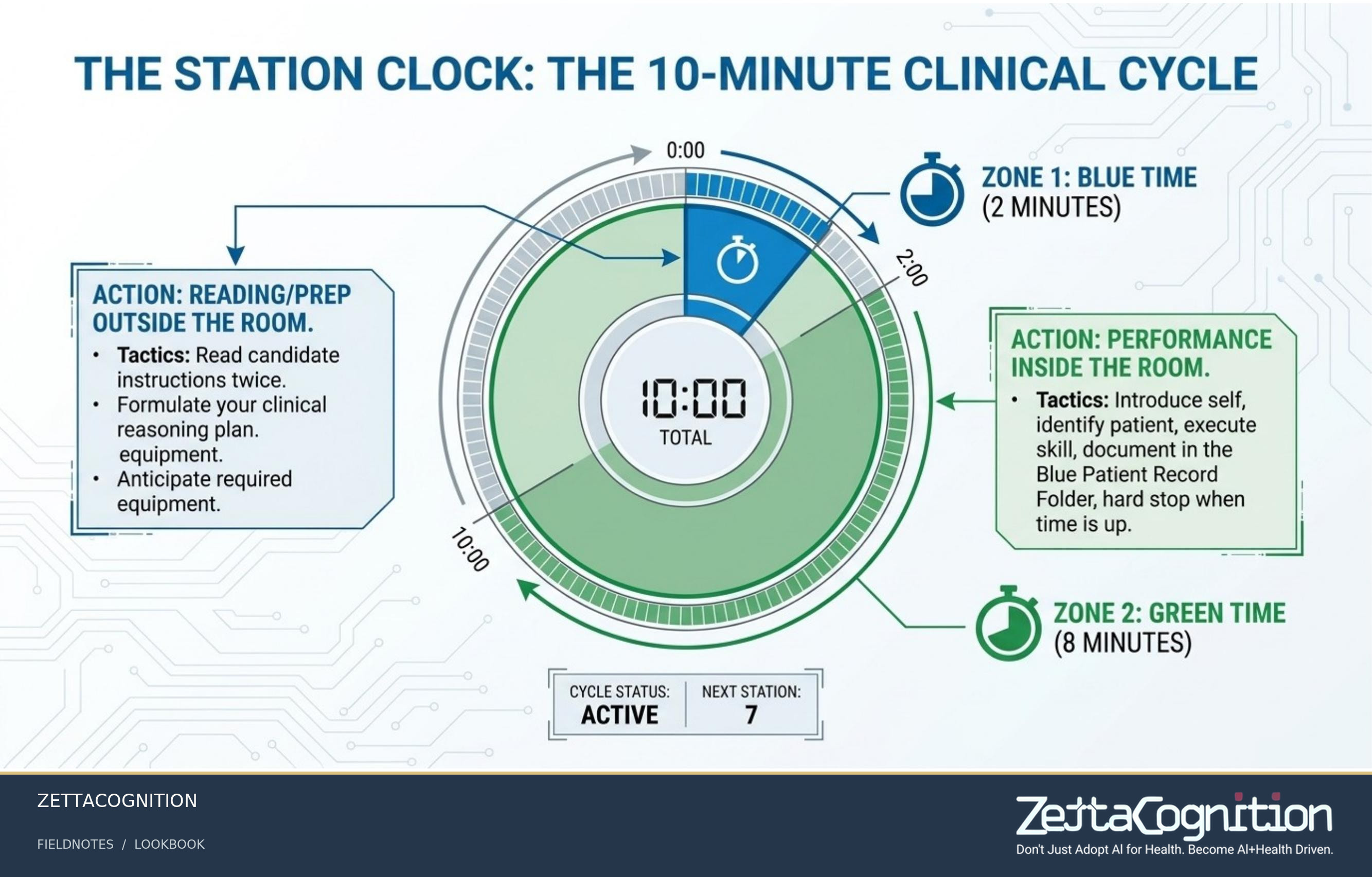
The clinical learning slide shows practice as a cycle, not a one-off performance. A learner needs room to decide, receive feedback and try again before a real person bears the risk.
The educator remains in the room
Faculty can use repeated practice to notice patterns: which learners recognise deterioration, who communicates uncertainty and where a misconception persists. These insights should inform coaching, not become an automatic verdict on a student’s future.
Access matters too. If the most valuable practice requires a costly device or a perfect connection, the students who need flexibility may receive the least opportunity. Simulation should expand the number of safe attempts a learner can make, not introduce a new inequality in who gets to rehearse.
The meaningful outcome is not a higher score inside a digital scenario. It is a clinician who can carry considered judgement into a ward, clinic or community setting, and who knows that the person in front of them is never just a case.
The comparison below keeps simulation in its proper place: it can make a decision rehearseable, but it cannot reproduce every encounter with a patient.
From classroom to clinic
Practice without pretending
Virtual patient scenarios and clinical simulation can give learners space to test decisions, see consequences and repeat a difficult encounter. Used well, these tools complement supervised clinical experience rather than claiming to replace it.
The value is not in making a simulation look impressive. It is in helping educators see how learners reason, respond and improve.
Design around the learner
A useful system connects scenarios to clear competencies, meaningful feedback and opportunities for reflection. Adaptive experiences can help identify where a learner needs more practice, while faculty remain central to interpretation and support.
Responsible implementation also means paying attention to access, assessment quality and the limits of simulated experience.
Keep care at the centre
The ultimate test of educational technology is not whether it can automate a lesson. It is whether it helps develop clinicians who can exercise sound judgement and provide better care.
That is the promise worth building toward: more practice, more insight and a stronger bridge between learning and the realities of clinical work.
The later Lookbook frame returns to reasoning in practice. The meaningful question is what a learner can explain and improve, not how convincing the software looks.
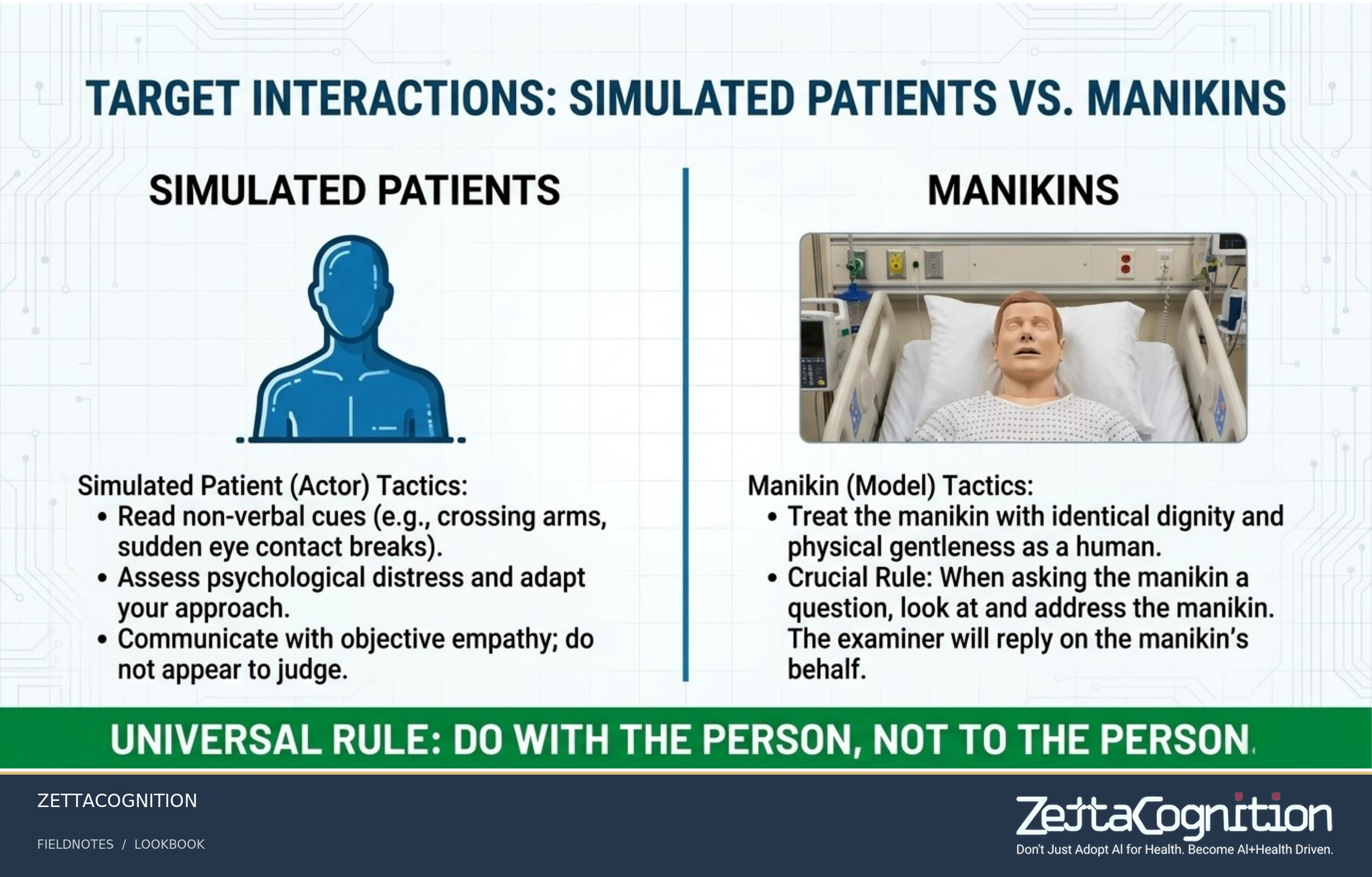
Better simulation should send learners into real care more thoughtful, not more certain than the evidence allows.
Cite this story
Sidhu, A. S. (2026). Clinical learning, beyond the classroom. Fieldnotes: AI Research Journal, 1(3). https://doi.org/10.5281/zenodo.23330932