Rural health needs more than an algorithm
Remote diagnostic tools promise reach, but geography, workflow and trust decide whether that reach becomes care.
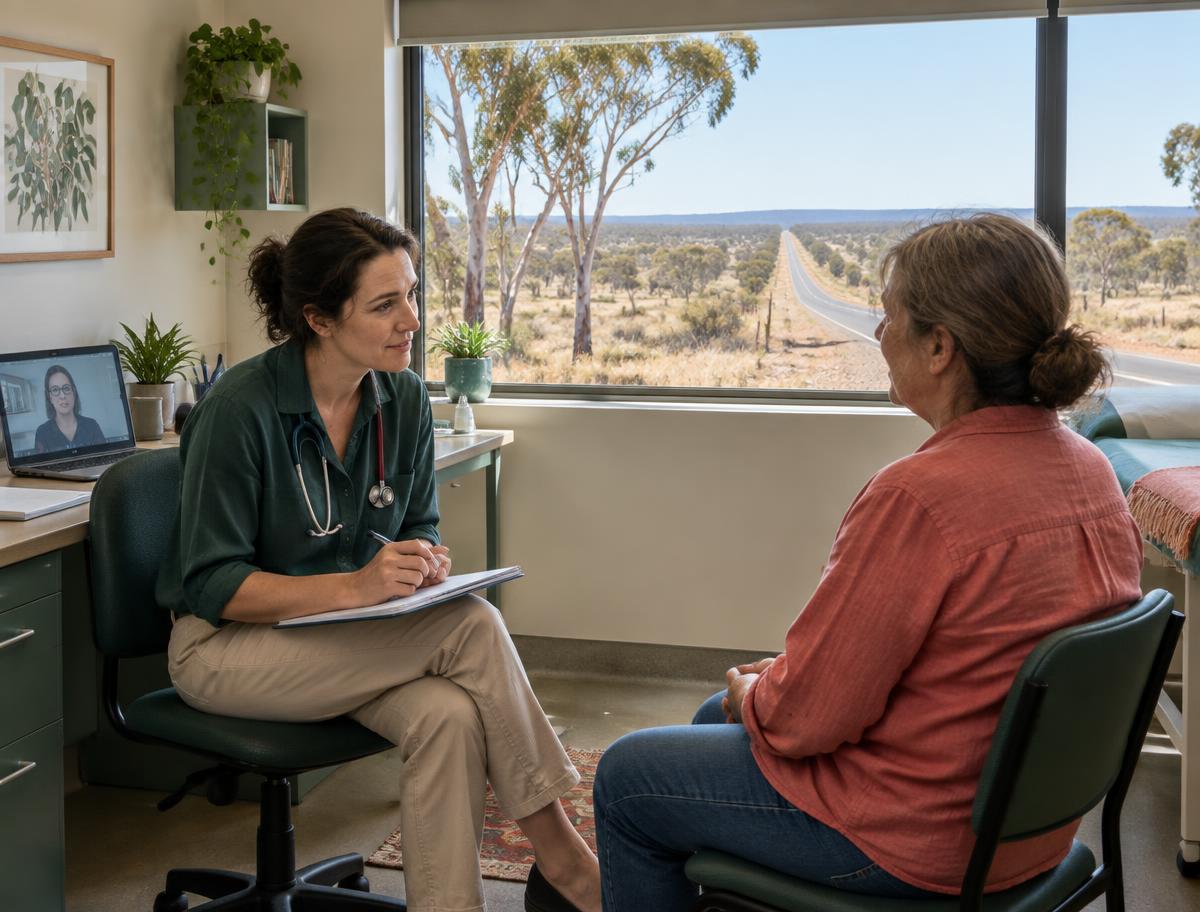
For a regional clinician, specialist support can be far away. AI-assisted triage or documentation could help, yet a promising trial in a city hospital does not guarantee safe use in a rural service.
Distance changes the workflow
In a regional clinic, a clinician may consider a patient’s symptoms knowing that specialist advice is hours away. A decision-support tool could widen access to expertise. Yet the usefulness of its suggestion depends on the tests available locally, the reliability of the connection and the options a patient can actually reach.
A recommendation that assumes immediate imaging may be perfectly legible in a metropolitan hospital and difficult to act on in a smaller service. Deploying the same interface does not create the same conditions of care. Local teams should help define what success looks like before a trial begins.
There is also the question of trust. A clinician needs to know what data shaped an output and when a system is uncertain. Patients need an explanation that does not turn a computer’s suggestion into an unexplained authority in the room.
Evaluation should look for uneven performance as well as average accuracy. A tool that works well overall can still fail important groups or unusual cases. Rural deployment is not a lesser test of quality; it is a different one.
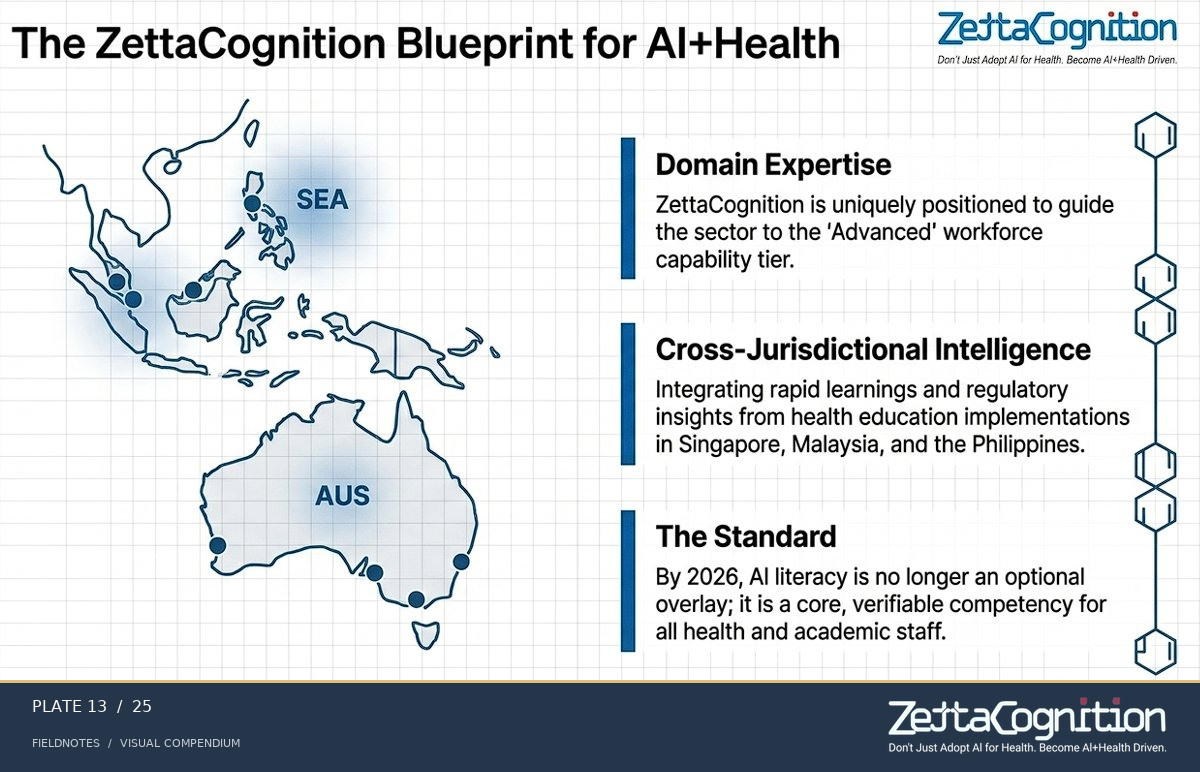
The healthcare plate puts people at the centre of the technical promise. A tool only reaches a patient when local staff, infrastructure and trust carry it the rest of the way.
Build around the people already there
Training is most useful when it lets staff work through a wrong answer, a missing input and a disagreement between clinical experience and a model. A manual and a launch session are not substitutes for that practice.
Leaders should create a path for local feedback to change or stop the tool. If staff feel unable to question it, an apparently helpful system can quietly erode professional judgement. Accountability must remain clear even when external suppliers are involved.
Better rural health care will require infrastructure, workforce support and relationships alongside any algorithm. Technology can shorten some distances, but it cannot abolish the reality of place.
The paired columns below show why a model cannot be evaluated alone. A diagnosis without connectivity, someone able to act or community trust is not the same as care.
What rural AI health needs
Test where care happens
Connectivity, staff capacity and local patient populations all affect a tool’s performance. A system trained on metropolitan data may miss the cases that matter in a different community.
Frontline teams need to know when an output is uncertain, how to challenge it and who is accountable for the decision that follows.
Build capability beside technology
Training should include practical exercises in interpreting errors and communicating limits, not only instructions for opening the software. Leaders must leave room to report problems without blame.
Rural health equity is not delivered by a model alone. It depends on people, infrastructure and a willingness to learn from local experience.
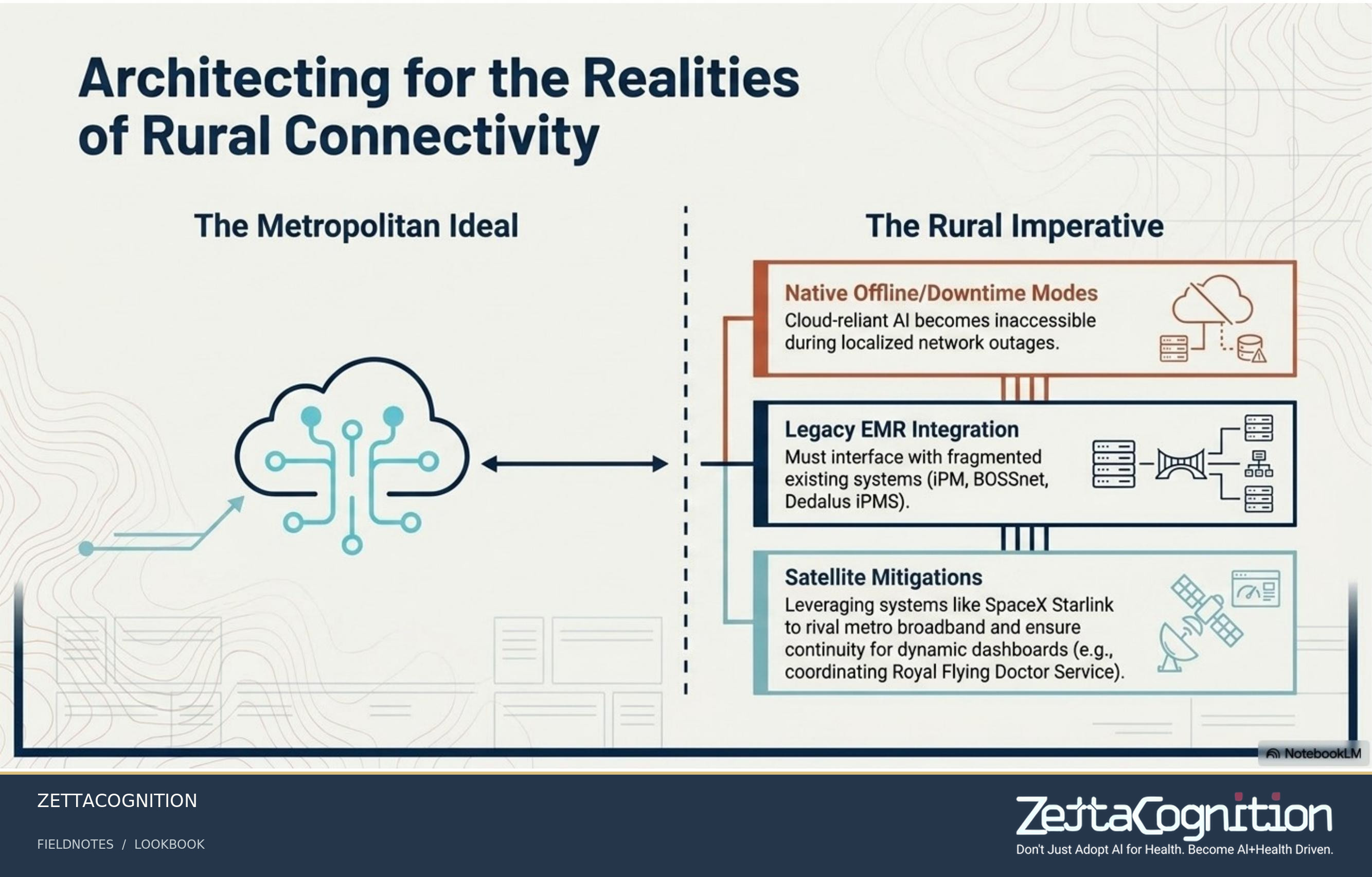
The rural-connectivity slide makes a basic dependency visible: no connected service works for a community it cannot reliably reach. Its proposed architecture is a prompt for local questions, not proof that one solution fits every place.
Distance is not a software bug. A useful health technology has to work with the people and places that distance affects.
Cite this story
Sidhu, A. S. (2026). Rural health needs more than an algorithm. Fieldnotes: AI Research Journal, 1(2). https://doi.org/10.5281/zenodo.23329211